Couples Counseling · Addiction & Marriage · Knoxville, TN

Quitting Alcohol Was Supposed to Fix This.
They stopped. That was real and it was hard. But without alcohol absorbing all the friction, every unresolved thing in the relationship is suddenly visible. The fights still happen. The distance is still there. And neither of you is sure what to do with that.
If This is Where You Are Right Now
Both of You Did Something Hard. Neither of You Feels Better.
One person stopped consuming. That required real effort, and it cost something. The other person stayed through it, worried, managed the fallout, made their need for change known over and over again. That cost something too.
And now sobriety is here. And the relationship still feels like this.
For the person who stopped, there's a thought that's hard to say out loud: I did what you asked. It doesn't seem to be enough. Maybe I'm not enough for you. That thought is real. It deserves more than dismissal.
For their partner, there's something equally hard to sit with. They thought this one change would shift everything. And now that it has, the anger and the exhaustion didn't go anywhere. There's still something to blame, there always is. Life is hard. The relationship has real injuries. And the habit of looking for the next problem to solve can become its own way of avoiding what actually needs to be faced.
Alcohol existed in a social context, a marriage. When consumption changes, the marriage still has to find its way. And that puts both of you in the same boat.
Imagine that your relationship is like a boat. It's been carrying you both through challenging waters, and when those waters get rough, you fight over which way to row. But now that the fog is clearing, you see that the boat needs repairs; if it is going to carry you forward.
What’s Actually Happening Here
There Were Always Two Problems. One Was Just Louder.
When consumption is visibly damaging daily life, it makes complete sense to focus there. That focus wasn't wrong. But it kept attention on one person's behavior and off the relationship itself, the way trust had been eroding, the way communication had broken down, the way both people had been quietly adapting to survive.
The lies, the secrecy, the broken promises, the absence, those aren't just byproducts of drinking. They're injuries to the marriage contract. And they don't heal automatically when consumption stops.
What was always underneath: two people who don't yet have the skills to navigate this relationship without the old dynamic holding it in place. That's not a character flaw in either person. It's what living under pressure and in crisis creates.
Addressing the relationship, not just consumption, is the work that hasn't happened yet. That's why stopping drinking, on its own, isn't fixing this.
Stopping was necessary. It wasn't sufficient.
Where Couples Get Started
Both People Are Stuck. For Different Reasons.
The person who stopped consuming made a significant change. They showed up. And now they're being asked for more, more conversation, more disclosure, more accountability. Somewhere in that accumulation, a belief forms: No matter what I do, it won't be enough. I'm not accepted as I am.
That belief deserves to be explored, not dismissed. What's underneath it matters, whether it's that effort isn't being seen, that acceptance feels conditional, that the asks feel endless with no finish line in sight. Those are real experiences. They're also worth sitting with rather than using as a reason to stop trying.
Their partner is stuck differently. They're carrying exhaustion, resentment, and a complicated mix of relief and disappointment. They need something that often goes unspoken: to be seen in what this cost them. To have their injuries acknowledged by the person who was part of causing them. To not just survive this marriage but to renegotiate it, to figure out what it can actually be going forward.
That person has their own recovery ahead of them. Mental and emotional injuries that need healing. A sense of self that got lost managing someone else's consumption. An identity outside of the role they've been playing. That work is just as real as anything happening on the other side of the couch.
Neither person is wrong. Both are depleted. Survival mode got them through the hardest times, managing, avoiding, escalating, shutting down; can’t get them through what’s next.
What the Work Actually Requires
When You’re in the Thick of It, You Don’t Need Insight. You Need Brakes.
Couples in this situation don't fail because they lack understanding of what went wrong. They fail because they try to solve complex emotional problems while their nervous systems are running hot. You cannot have a useful conversation from that state. It isn't a willpower problem, it's a biomechanical one.
What both people need before anything else is a basic set of skills for staying in a hard conversation without doing more damage, ways to slow down, say what happened, hear what was said, and ask for what you need. Those skills sound simple. They aren't. And without them, the important conversations keep producing the same wreckage they always have.
That's where the work starts. Not with insight. With the ability to have the conversation at all.
The person who managed consumption needs something different than the person who managed around it.
How This Unfolds in Practice
Both People Come In. Both People Have Work to Do.
When a couple starts couples counseling, they come as a unit. Not one person with a problem and one person along for support. The relationship itself has been through something, and that's where the work begins.
For the person who stopped consuming, part of that work is understanding what stopping actually bought, and what it didn't. Trust isn't a logical conclusion that follows from changed behavior. It's an emotional experience that rebuilds slowly, in small moments of consistent follow-through. That timeline isn't fair. It's also not something that can be negotiated away.
For their partner, the work involves something that often gets skipped: their own healing. The injuries that accumulated over years of managing someone else's consumption are real. They don't disappear because the consumption did. Processing those injuries, with validation from their partner, not just from a therapist, is part of how the marriage contract gets renegotiated rather than just patched.
The goal isn't to return to what the marriage was before. It's to build something both people can live in going forward. That's different work. It's also more honest.
Some of this work happens together. Some of it happens individually, depending on where things are getting stuck. There's no fixed sequence, the work finds the sticking points and goes there. What stays constant is that the health of the relationship belongs to both people. Not equally in every moment, but ultimately, yes. Both people share responsibility for creating their new relationship.
About This Work
This Is The Work I’ve Been Doing for 25 Years.
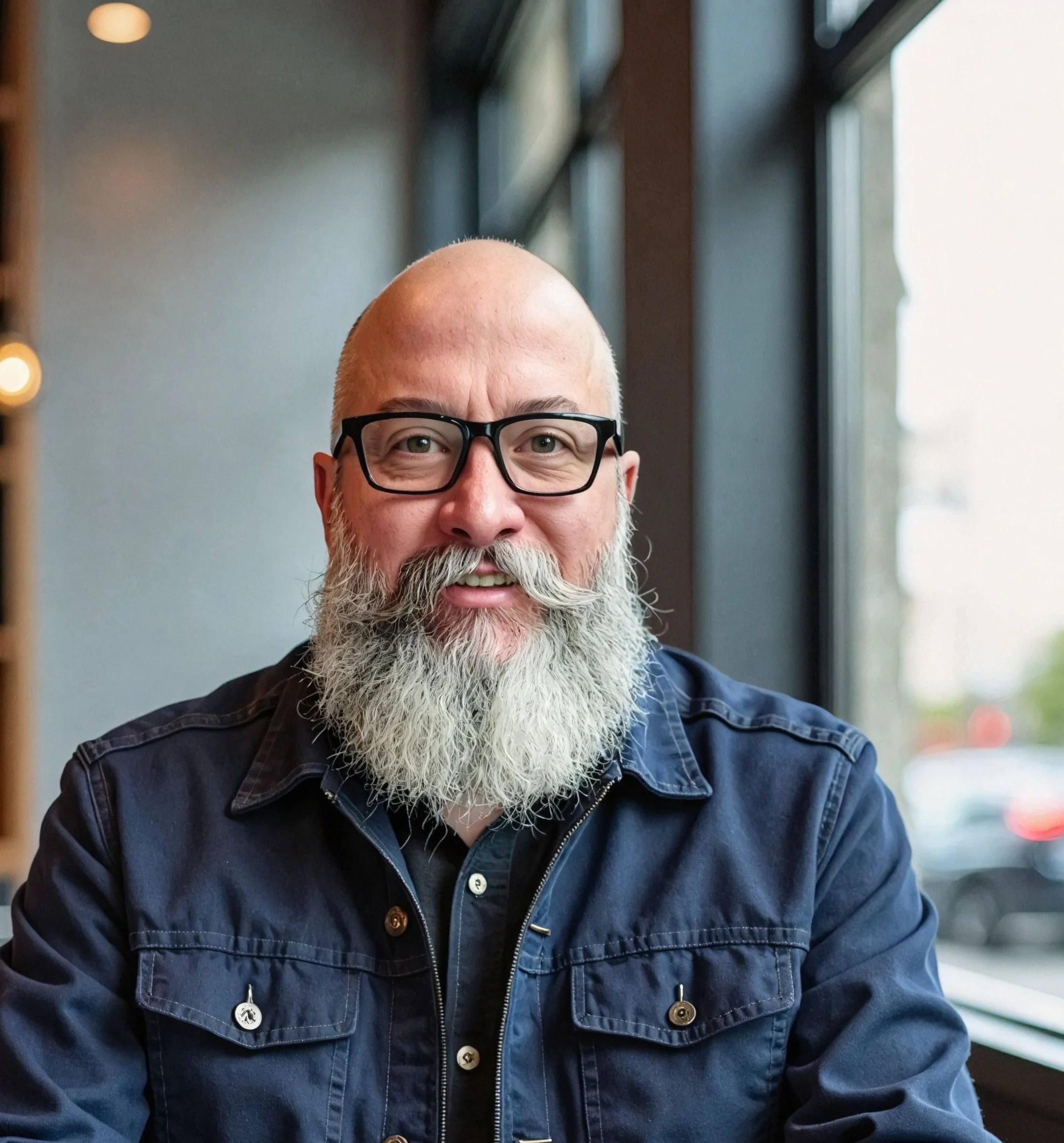
I'm Todd Davis — PhD in Counseling, Licensed Alcohol and Drug Abuse Counselor (LADAC II), and Marriage and Family Therapist. The couples I work with are navigating exactly this stretch: the specific, unglamorous work that comes after the obvious problem is addressed and the relational repair still hasn't started.
I work from a framework grounded in psychological flexibility and values-based change, not compliance, not rules, not a checklist. The couples I work with stay in their lives, their jobs, their families, and do this work in the middle of all of it.
When You’re Ready
Start With a Conversation
A free 30-minute video conversation is available, no commitment, no pressure. Bring wherever you are in this. We'll talk through what the work actually looks like for your marriage. Not in general. For you.
Knoxville · Farragut · Oak Ridge · Clinton, TN · Telehealth Available Across Tennessee