Couples Counseling · Addiction & Marriage · Knoxville, TN
Sobriety Is a Start. Trust Is Something Else Entirely.
Getting clean is hard. What comes after, the long, uneven work of rebuilding a marriage, is something most couples weren't prepared for. If you're here because sobriety happened but the relationship still feels broken, you're not failing. You're just dealing with two different problems that require two different kinds of work.
If You’re In This Right Now
You Did the Hard Part. So Why Does It Still Feel Like This?
But the partner who stayed through it, who covered, worried, checked, and held everything together, is still holding something. The trust that was broken didn't automatically heal when the substance was removed. The hypervigilance didn't turn off because things got better. The anger didn't have anywhere clean to land, so it went somewhere else. The distance that grew to protect both of you is still there, even when there's nothing left to protect against.
And the person in recovery may feel something that nobody warned them about: that getting sober was supposed to fix things, and it didn't. That their effort isn't being seen. That the relationship they worked to come back to still doesn't quite feel safe.
Both of those experiences are real. They're also what happens when a marriage heals the individual problem without healing the relationship. That gap is what this work is for.
Sobriety removes the accelerant. It doesn't rebuild what burned.
A Different Way of Looking At This
The Relationship Is the Patient. Not Just the Person.
Most addiction treatment focuses on the individual, which makes sense when someone's life is on the line. But addiction doesn't happen to one person in a marriage. It happens to both of them. It restructures how they communicate, how they fight, how they comfort each other, what they're afraid to say, and what they've learned to survive without.
The lies, the hiding, the managing and covering, all of that created injuries that have their own name: betrayal trauma. The partner who lived through it has a nervous system that learned to stay on alert, because staying on alert once kept them from being blindsided. That adaptation doesn't go away because the substance went away.
Meanwhile, the person in recovery may have spent years using "I'm an addict" as a framework that explained everything, including behavior that hurt people. That framework has truth in it. It can also become a way of deflecting accountability rather than building it. The gap between "I couldn't help it" and "I understand what I put you through" is where most couples get stuck.
Neither person is the villain here. Both are doing the best they can with the tools they have. The problem is that those tools were built for survival, not for rebuilding. That's what we work on together.
What The Work Actually Looks Like
This Isn’t Individual Therapy With an Audience. It’s Couples Work From the Start.
Getting here is hard. Not logistically, emotionally. Because the thing that drove you apart is the same thing you now have to confront. One of you may have had to push to make this appointment happen. The other may have only agreed because the alternative felt worse. That's an honest start.
Most couples who come in after addiction has moved through a marriage don't fully understand what they're actually dealing with. They thought the problem was the drinking, the using, the lying. And it was. But underneath that is something harder to name, the erosion of safety, a relationship that quietly restructured itself around a secret, two people who learned to survive each other instead of lean on each other. That's what this work is for.
Why Conversations Break Down Before They Start
One of the hardest things about rebuilding trust after addiction is that both people often lose access to their best thinking exactly when they need it most. Old wounds get activated. The nervous system reads danger because danger was real for a long time, and nervous systems don't update on a schedule. One person pushes for connection in whatever way they know how; the other creates distance in whatever way feels safest. The specific moves look different in every marriage. The pattern underneath is almost always the same. Part of this work is learning to stay in the conversation, to self-regulate when old wounds activate, to stay flexible when the instinct is to shut down or push harder. Without that capacity, the important conversations keep producing the same damage they always have.
The Radical Honesty Problem
There's a version of trust-building that looks like constant transparency, check-ins, location sharing, open phones. That's not nothing. But it's not trust. It's surveillance with consent, and over time it tends to breed resentment in both directions.
Real trust is rebuilt in smaller moments: when someone tells the truth about something difficult before they're asked. When they follow through on a small commitment that nobody was tracking. When they repair a rupture instead of waiting for it to blow over. Not repeated apologies, but the accumulation of kept promises, boring, repeated, unglamorous, is what actually changes the nervous system's read on whether it's safe to open up again.
That process takes longer than most couples expect. It also requires something from the partner who was hurt: at some point, a decision to try. Not to pretend nothing happened. Not to forgive prematurely. But to be genuinely open to what consistent changed behavior actually means, rather than waiting for the next thing to go wrong.
What the Person in Recovery Needs to Understand
Sobriety is not a currency that automatically buys back trust. Doing the right things, staying clean, showing up, being reliable, are necessary. It is not sufficient. Trust is an emotional experience, not a logical conclusion. The partner's nervous system doesn't update because the evidence changed. It updates when it has felt safe enough, long enough, to begin to relax. That timeline is not negotiable. What the person in recovery can do is understand what addiction created, and accept that rebuilding requires sustained emotional clean-up until the relationship actually feels safe, seen, heard, and connected again. One committed action at a time, for as long as it takes. Both partners building a relationship identity experienced as “we”.
Trust is rebuilt in small, boring, repeated moments of follow-through. Not repeated apologies, but the accumulation of kept promises.
What’s Underneath the Conflict
Underneath the Conflict, Both People Are Looking for the Same Things.
When couples in this situation fight, and they do, often, the surface content is rarely what the fight is actually about. The anger, the shutdown, the controlling, the defensiveness, these aren't character flaws. They're protective responses, shaped by whatever each person carried in before the marriage and whatever the last few years of living with addiction added on top of that. The specific combination is different for every couple. What's consistent is this: underneath the conflict, both people are looking for the same thing. Safety. Connection. Some evidence that the relationship is still worth fighting for.
That search doesn't always look like reaching toward each other. Sometimes it looks like criticism. Sometimes silence. Sometimes one person filling every quiet moment with noise and the other going completely still. The form the longing takes is shaped by history, by temperament, by what each person learned about closeness long before this marriage began. Addiction didn't create those patterns. It activated them, accelerated them, and made them harder to see clearly.
This is where the work gets specific. Not just what happened between you, but what each of you brings to the way you react when connection feels threatened. Understanding that, together, is what makes it possible to stop reacting to each other and start reaching for each other.
About This Work
Twenty -Five Years
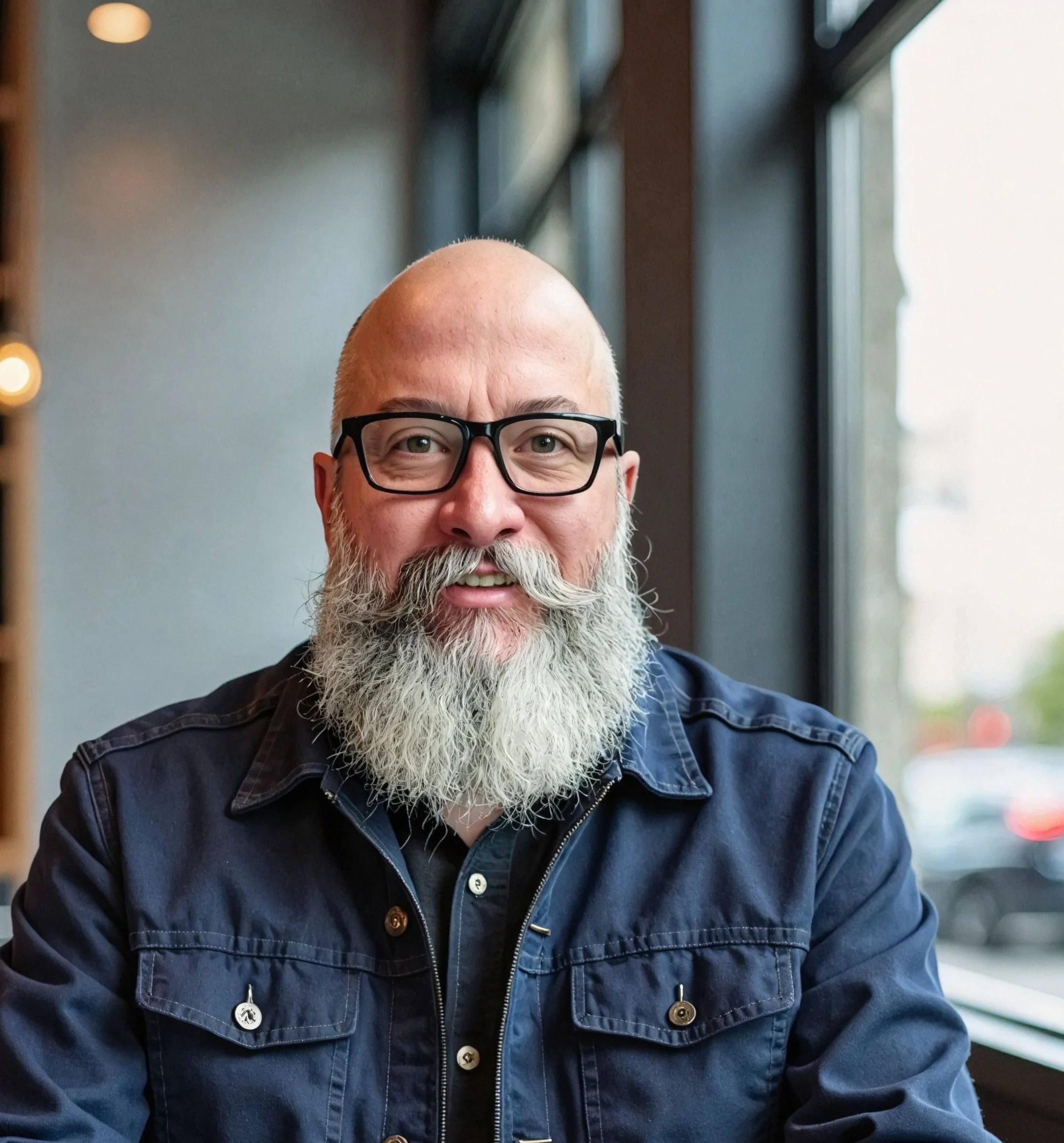
I'm Todd Davis , PhD in Counseling, Licensed Alcohol and Drug Abuse Counselor, and Marriage and Family Therapist. For 25 years I've worked with couples navigating exactly this , the long, hard, specific work of rebuilding a marriage after addiction has moved through it.
I work from an ACT framework , Acceptance and Commitment Therapy , which means the work is grounded in psychological flexibility, values clarification, and building a life worth staying sober for. Not rules. Not compliance. A direction.
The couples I work with don't disappear into residential treatment. They stay in their lives, their jobs, their families , and do the work in the middle of all of it. That's harder in some ways. It's also more real.
When You’re Ready
The Consultation Is Simple. We Talk. You Decide If This is the Right Fit.
A free 30-minute consultation is available , no commitment, no pressure. Bring your questions, your uncertainty, and wherever you are in this. We'll talk through what this work actually looks like for your marriage. Not in general. For you.
Knoxville · Farragut · Oak Ridge · Clinton, TN · Telehealth Available Across Tennessee